

How to Write a Game Design Document that Your Team Actually Reads
Every game developer has encountered the dreaded wall of text game design document that sits untouched in a shared folder, slowly becoming outdated as the project evolves. The truth is, most Game Design Documents (GDDs) fail not because they lack detail, but because they're structured like academic papers rather than working tools. Your GDD should be a living blueprint that your programmers, artists, and designers actively reference and contribute to throughout development.
Start with the One-Page Vision
Before diving into mechanics and technical specifications, create a single-page executive summary that captures your game's essence. This isn't just for stakeholders—it's the north star that keeps your entire team aligned when making daily decisions.
Core loop: What does the player do minute-to-minute?
Unique selling proposition: What makes this game different?
Target audience: Who exactly will play this game?
Success metrics: How will you measure if the game works?
Platform and scope: Where will it launch and how big is it?
This summary page should be so clear that a new team member can read it in two minutes and understand what you're building. Pin it to your project management dashboard and reference it in every major design meeting.
Structure for Scanability, Not Completeness
Your team needs to find information quickly during development sprints. Structure your GDD like a reference manual, not a novel. Use modular sections that can be read independently, with clear headings and consistent formatting throughout.

The Five Essential Sections
Core Mechanics: How the game actually works, with examples
Player Experience: What emotions and challenges you're designing for
Content Overview: Levels, characters, features with priority rankings
Technical Requirements: Platform specs, performance targets, tool needs
Production Timeline: Milestones tied to specific deliverables
Each section should start with a TL;DR paragraph that summarizes the key points. Use bullet points liberally, include visual diagrams where possible, and always link related sections together. Your programmers should be able to jump directly to technical requirements without reading about narrative themes.
Make It Interactive and Visual Static text documents die in shared folders. Transform your GDD into an interactive resource that evolves with your project. Use collaborative tools that allow inline comments, version tracking, and easy updates from multiple team members.
Replace lengthy descriptions with visual elements wherever possible. Flow charts for game mechanics, mood boards for art direction, and wireframes for UI layouts communicate faster than paragraphs of text. When you must use text, break it into digestible chunks with clear subheadings.
A game design document should be a living blueprint, not a final specification. The best GDDs I've worked with changed weekly but maintained their core vision throughout development.
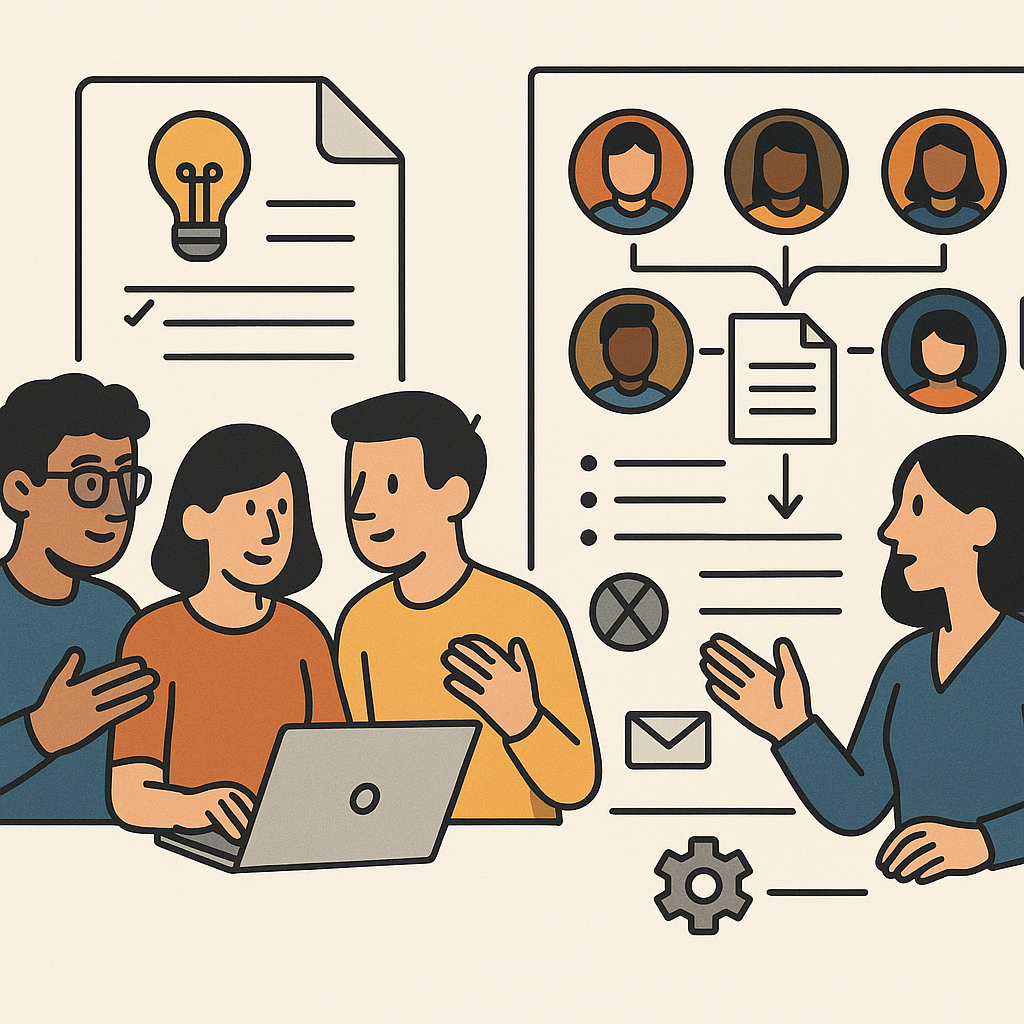
Write for Your Actual Team, Not Your Dream Team
Tailor your document's complexity and focus to match your team's size, experience, and working style. A three-person indie team needs different documentation than a 50-person studio. Know your audience and write accordingly.
For smaller teams, focus on decisions and rationale rather than exhaustive specifications. Include why you made certain design choices, not just what those choices are. This helps team members make consistent decisions when you're not available to answer questions.
For larger teams, emphasize clear ownership and dependencies. Each section should identify who's responsible for implementation and what other systems it connects to. Include contact information for subject matter experts and link to relevant technical documentation.

Keep It Alive with Regular Updates
The most important aspect of a readable GDD is that it stays current with your actual game. Establish a weekly review process where team leads update their sections based on what changed during development. Mark outdated sections clearly and archive old decisions rather than deleting them.
Use your project management platform to link GDD sections directly to development tasks and milestones. When a feature gets implemented, update the corresponding documentation immediately. This creates a feedback loop where the GDD becomes more valuable over time rather than less relevant.
Track which sections get referenced most frequently and prioritize keeping those updated first. Analytics from your collaboration tools can show you exactly which parts of your GDD are actually helping your team and which sections are being ignored.
Remember: a game design document that your team actually reads is worth infinitely more than a comprehensive document that sits untouched. Start simple, focus on clarity over completeness, and iterate based on how your team actually uses it during development.
PlanPhaƨe™ Team
The team behind PlanPhaƨe™
Writing about planning, creative workflows, and building better projects — from the people making PlanPhaƨe™.
Related Articles
Plan your next project with PlanPhaƨe™
Docs, tasks, meetings, brainstorms, and live collaboration — all in one place.
Get Started Free